
How to Make Your Diet More Sustainable?
In a world where environmental concerns are at the forefront of many conversations, adopting a sustainable diet has become increasingly important. Making conscious choices about the foods we consume can have a significant impact on the planet. By incorporating eco-friendly practices into our eating habits, we can help reduce our carbon footprint and contribute to a healthier environment. Here are some practical tips on how to make your diet more sustainable.
**Understand the Impact of Your Food Choices**
Before making any changes to your diet, it is essential to understand the environmental impact of the foods you consume. Certain foods, such as red meat and processed products, have a higher carbon footprint compared to plant-based options. By educating yourself on the environmental implications of different food choices, you can make more informed decisions about what you eat.
**Opt for Organic and Locally Sourced Foods**
Choosing organic and locally sourced foods is a simple way to make your diet more sustainable. Organic farming practices prioritize soil health and biodiversity, while reducing the use of synthetic pesticides and fertilizers. Additionally, buying locally sourced foods helps support local farmers and reduces the carbon emissions associated with transportation.
**Reduce Food Waste**
Food waste is a significant contributor to environmental problems, including greenhouse gas emissions and wasted resources. To make your diet more sustainable, strive to reduce food waste by planning your meals, storing food properly, and using leftovers creatively. By being mindful of how much food you buy and consume, you can minimize waste and make a positive impact on the environment.
**Embrace Plant-Based Meals**
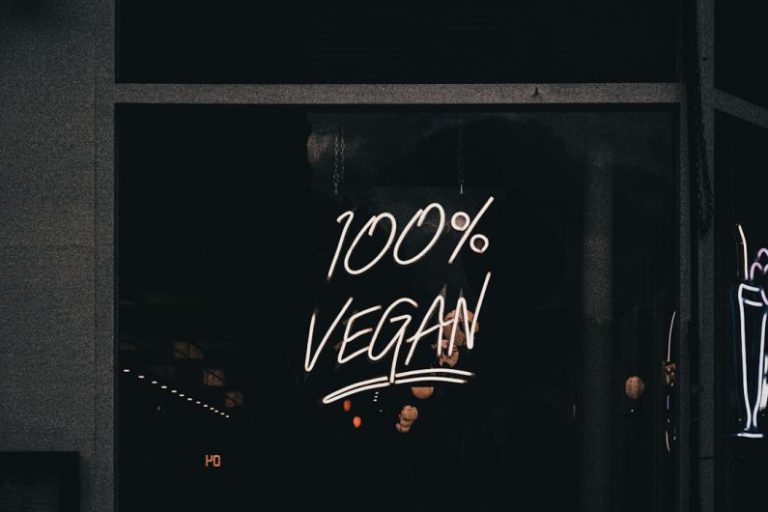
One of the most effective ways to make your diet more sustainable is to incorporate more plant-based meals into your routine. Plant-based foods generally have a lower environmental impact compared to animal products, as they require fewer resources to produce. Consider incorporating meatless Mondays into your meal plan or experimenting with plant-based alternatives to your favorite dishes.
**Grow Your Own Food**
If you have the space and resources, consider growing your own food as a way to make your diet more sustainable. By cultivating your fruits, vegetables, and herbs, you can reduce your reliance on store-bought produce and enjoy the benefits of fresh, homegrown ingredients. Gardening can also be a rewarding and therapeutic activity that connects you to the food you eat.
**Support Sustainable Food Practices**
When shopping for groceries, look for products that align with sustainable food practices. Choose brands that prioritize ethical sourcing, fair labor practices, and environmentally friendly packaging. By supporting companies that are committed to sustainability, you can help drive positive change in the food industry and contribute to a more eco-conscious food system.
**Conclusion: Making a Difference, One Bite at a Time**
By making small changes to your diet, you can play a significant role in promoting sustainability and protecting the planet for future generations. Whether it’s opting for plant-based meals, reducing food waste, or supporting sustainable food practices, every choice you make has the potential to make a positive impact. By being mindful of the environmental implications of your food choices and taking proactive steps to make your diet more sustainable, you can contribute to a healthier planet and a more sustainable future.