What Are the Best Ways to Conserve Water at Home?
Water is a precious resource that is essential for life on Earth. With the increasing global population and the impact of climate change, it is more important than ever to conserve water in our daily lives. By making small changes in our homes, we can significantly reduce water waste and contribute to a more sustainable future. Here are some of the best ways to conserve water at home.
Install Water-Efficient Fixtures
One of the most effective ways to conserve water at home is by installing water-efficient fixtures. Upgrading to low-flow faucets, showerheads, and toilets can significantly reduce water usage without sacrificing performance. Low-flow fixtures are designed to limit the flow of water while maintaining adequate pressure, allowing you to save water with every use. By making this simple switch, you can conserve thousands of gallons of water each year.
Fix Leaks Promptly
Leaky faucets, pipes, and toilets can waste a significant amount of water if left unattended. Even a small leak can add up to hundreds of gallons of water wasted over time. To conserve water at home, it is crucial to fix leaks promptly. Regularly check for leaks in your plumbing system and repair any issues as soon as they are identified. Not only will this help you save water, but it will also prevent water damage and reduce your utility bills.
Use Dishwashers and Washing Machines Wisely
Dishwashers and washing machines are essential appliances in most households, but they can be significant water consumers if not used efficiently. To conserve water, make sure to run these appliances only when they are fully loaded. This will maximize the efficiency of each cycle and reduce the number of times you need to run them. Additionally, consider using the eco-friendly or water-saving modes on your dishwasher and washing machine to further reduce water usage.
Collect Rainwater for Outdoor Use
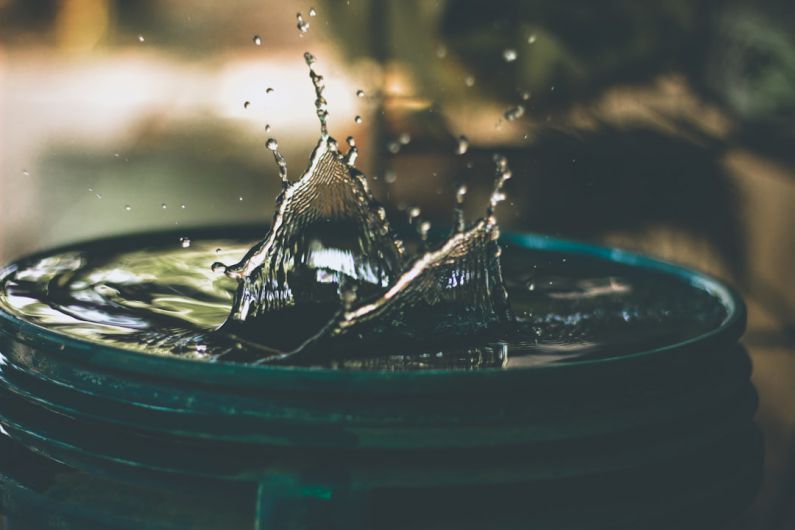
Another great way to conserve water at home is by collecting rainwater for outdoor use. Installing a rain barrel or a rainwater harvesting system can help you capture rainwater and use it for watering your garden, lawn, or washing your car. By using rainwater for these purposes, you can reduce your reliance on treated water from the municipal supply and help conserve this precious resource. Plus, rainwater is free from chemicals, making it a more natural choice for your plants and outdoor cleaning needs.
Limit Water Use in the Kitchen
The kitchen is a hub of activity in most homes, and it is also a place where a significant amount of water is used. To conserve water in the kitchen, be mindful of your water usage habits. For example, avoid letting the water run while washing dishes or peeling vegetables. Instead, fill up a basin with water for rinsing or use a spray nozzle to control the flow. Additionally, consider using a dishwasher instead of handwashing dishes, as it is generally more water-efficient when used correctly.
Reuse Water When Possible
Another effective way to conserve water at home is by reusing water when possible. For instance, instead of pouring out leftover drinking water, use it to water your plants or fill up your pet’s water bowl. You can also collect and reuse water from activities such as rinsing fruits and vegetables or washing your hands. By finding ways to reuse water in your daily routine, you can reduce your overall water consumption and minimize waste.
Conclusion: Embrace a Water-Smart Lifestyle
Conserving water at home is not only beneficial for the environment but also for your wallet. By implementing these simple yet effective water-saving strategies, you can make a positive impact on the planet and contribute to a more sustainable future. Embrace a water-smart lifestyle by being mindful of your water usage, making small changes in your daily habits, and encouraging others to do the same. Together, we can all play a part in preserving this essential resource for generations to come.